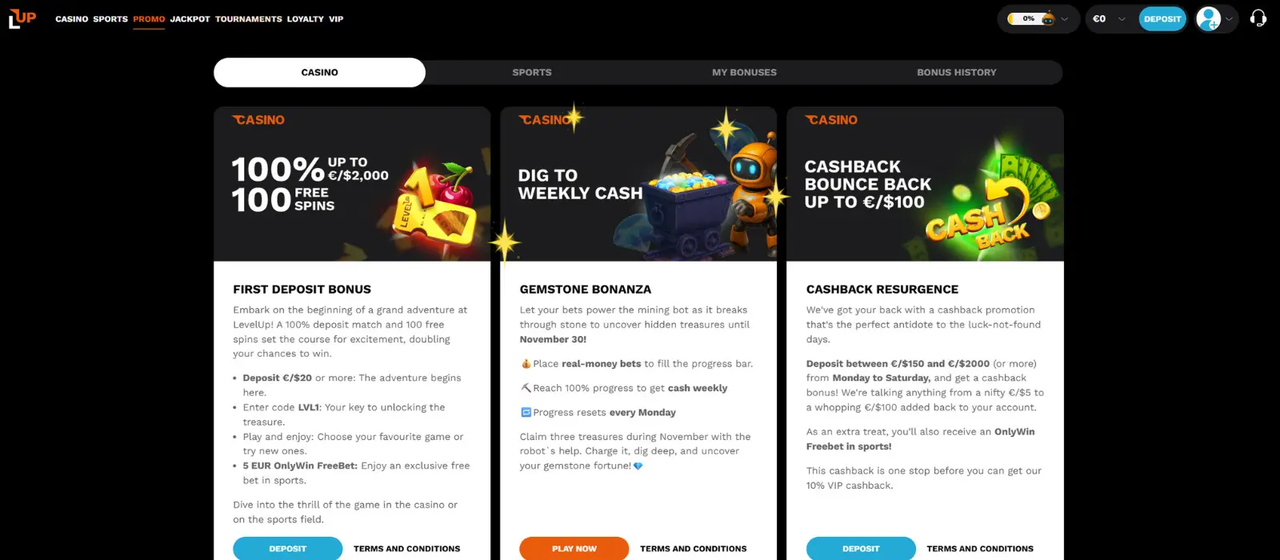
Check where offers are applied (during registration, inside a promo section, or automatically through a campaign tag). Then read the basics in plain language: which games count, whether verification is needed before a payout, and what happens if you withdraw early.
Now zoom in on behavior, not just rules. Many players treat deposit-free value like a “free shot,” so they click wildly and learn nothing. Try the opposite: pick one category, play slowly, and watch how you react when wins and losses swing. If you feel yourself speeding up, that is useful information you can use later when you play with real money.
Keep your record simple. After the session, write two notes: what you played, and what surprised you (a hidden menu, a confusing message, a setting you could not find). Imagine you return a week later and cannot remember where the limits were - a two-line note prevents that.
Also avoid stacking offers. If you activate one promotion and then grab another immediately, you may replace the first one without noticing. Treat your first week like a clean test: one offer at a time, one clear goal at a time, and a short session length.
Finally, plan your exit before you start. Decide what you will do if the balance hits zero, and what you will do if you win early. When you pre-decide, you are less likely to chase, and you are more likely to stop on schedule.
The Emotional Trap After An Early Win
Imagine the free balance turns into a small win and suddenly you feel protective and impatient. Many players then raise stakes or bounce between games to force a quick exit. Keep it boring instead: small stakes, one game category, and a fixed session length. Even if you end at zero, you still learned how the platform behaves.
How To Track What Is Active
Open the promo area and note the status, end date, and any key restrictions for your own reference. If you activate something new, confirm it did not replace the previous offer. This one habit prevents the classic “I thought both were active” confusion.